


Roger’s Flirt with Expediency
Worth the Risk

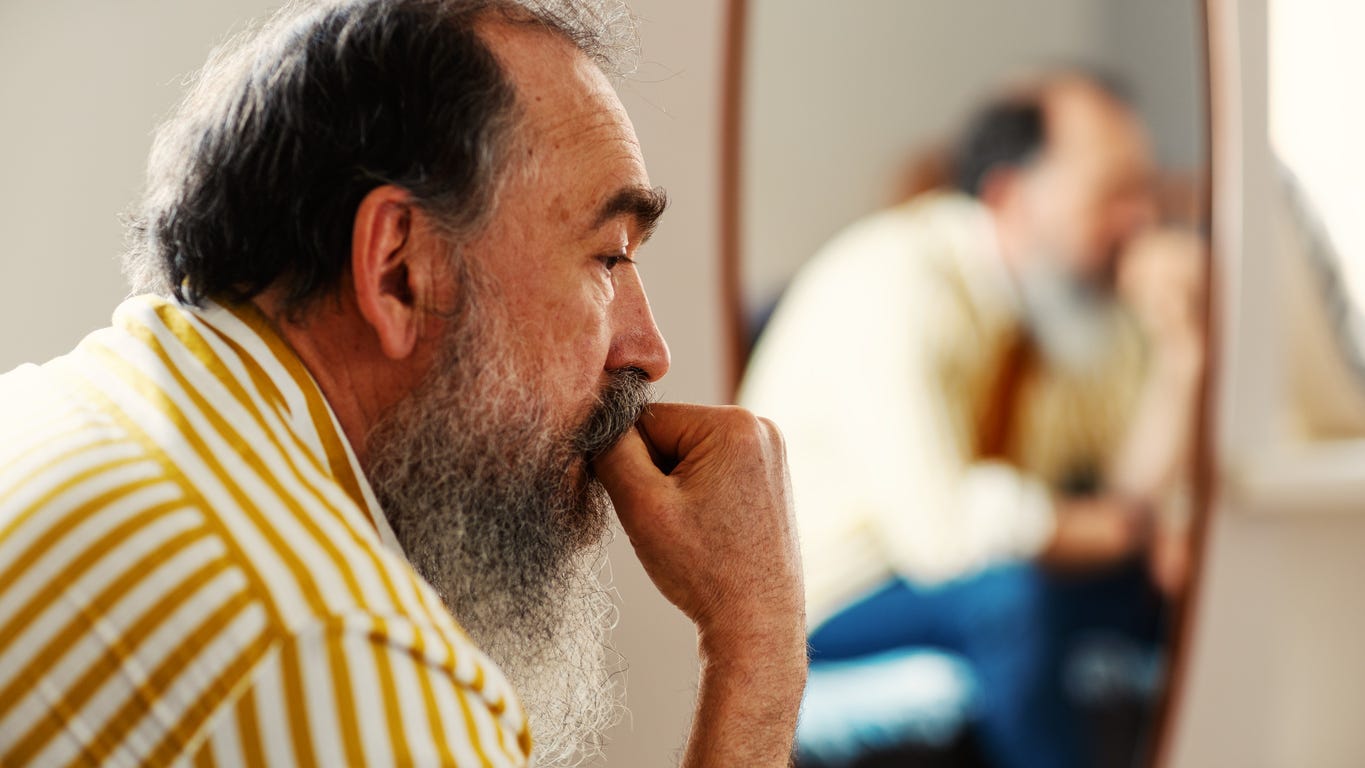
Comeback_Images photo
Fluffy flakes of snow drifted lazily to the pavement in the calm January morning air as she came out of her apartment building, suitcase in hand. Roger was anxious yet calm. He had driven up to her door, as they had arranged beforehand, at exactly 7:00. That would give them 45 minutes to get to the airport.
She opened the back door of his car and placed her suitcase in the back seat where he had parked his Canadian crutches.
"Good morning," Roger beamed, driven by the risk he was taking. "Ready for the Bahamas?"

"You bet," Jennifer intoned with a broad, ruby red smile. She tucked her blue raincoat around her pudgy hips as she slid into the passenger seat beside Roger.
She was there. He was there. So money can buy companionship, Roger affirmed to himself.
"This is going to work?" Roger asked, checking one more time, before putting his car into drive.
"I'm ready to go," Jennifer confirmed. "I'm ready for some sunshine!"
"Well, then, Nassau, here we come," Roger said more confidently and drove out of the driveway of her apartment complex. He quickly recalled, with satisfaction, the imagination he mustered in proposing their arrangement for this trip.
"You got the tickets?" she asked abruptly.
Roger placed his left hand over the right breast pocket of his sport coat. "Yeah, they're here in my pocket," he replied, affirming their agreement.
He had met Jennifer in November after placing a classified ad in the local daily under "companionship," offering an all-expenses-paid week on New Kingston Island in exchange for helping him, as a man with cerebral palsy, enjoy a carefree week away from the pressures of his public relations job and the dinginess of a drab Midwest winter.
That meant eliminating as much as possible the concerns Roger had as a single person with a disability in traveling alone to his time-share unit -- negotiating airports, preparing simple meals, trekking to and from the beach, getting in and out of the pool.
It was an agreement based on trust, expediency and necessity. Jennifer had written Roger a letter -- one of several he had received -- after seeing his ad. He called her, and, despite his nervous, jumbled speech, they hit it off on the phone.

JOIN OUR LIVE CHAT on 11/17/2024. Check my new, amusing social predicament tale, which is first available for all of us on Sunday’s (11/17/2024) live chat at 1:00 p.m. central. Watch your email on Saturday noon and Sunday noon for the link to the 1:00 Sunday live chat. - Jim Hasse
At 26, Jennifer was single and ready for adventure. As the recreation director for the Liberty County Nursing Home, she daily experienced the quiet, slow passage of time for the residents. She enjoyed helping them relive fond memories. But, in the process, she found herself mentally collecting the regrets some of the residents, now feeble, felt in not pursuing their dreams while they were still able.
"Do it while we still can," Roger suddenly said, repeating the advice she had given him in their first telephone conversation.
The snow turned to heavy, wet flakes, and Roger turned on the windshield wipers.
"You got it," she agreed and flipped the heater fan up one more notch.
Jennifer and Roger had met before Christmas for dinner at Seaman's Supper Club. A brunette with a round, dimpled face, she stood four inches taller than Roger's five-foot-six-inch frame. She was mature, intuitive, earnest.
Roger knew a couple of key facts about Jennifer. She had grown up with three older brothers. Her father was a truck driver. She had watched her mother patiently wait on the men in her family and promised herself that she would some day marry a man who wanted to form a more equal partnership.
At 39, Roger had watched his mother die a slow, mean death with cancer the year before and had promised himself more balance between an absorbing work week and a puny personal life.
Roger told Jennifer over the phone that he would draft a letter of agreement so they could discuss it during their dinner meeting. It spelled out what he expected and what Jennifer expected. They would each have separate bedrooms. Roger was not looking for a physical -- or emotional -- relationship.
They pulled into the airport, where the traffic was grinding the thick, white flakes into a dirty slush.
As Roger parked the car to unload, he could see the excitement in Jennifer's brown eyes. She pursed her lips, momentarily erasing the dimples in her cheeks.
"Just think," Jennifer gushed, "this afternoon we'll be out of this mess and basking in the sun."
Retrieving the last of their luggage from the back of the car seat for the sky cap, Roger suddenly heard, "Hi, Roger," behind him. He turned to look up at a big, graying man.
"Virgil?" Roger said breathlessly and shook his hand. "You flying out, too?"
"You bet. Florida," Virgil chuckled. The large snowflakes were accumulating on the shoulders of Virgil’s black wool coat.
"Virgil, this is Jennifer," Roger managed to say. "Jennifer, this is Virgil Mann. Virgil and I went to Africa together. Virgil just retired as state secretary of agriculture."
"Hi, Virgil, I'm Roger's traveling companion for this trip," Jennifer replied. "We're going to Nassau."
"That's great," Virgil said hurriedly. "You both have a nice time. Got to check in."
"We do, too," Roger jumped in uneasily. "Have a good trip. Jennifer, you can take the tickets. I'll park the car and meet you at the ticket counter."
Roger parked the car and walked through the parking lot alone with his clanking crutches. Each step echoed off the concrete above him and reinforced his uneasiness. "Traveling companion," he repeated to himself. It sounded so utilitarian when Jennifer actually used those words to describe her role to Virgil.
Did he interpret that to mean "personal care giver?" Was Roger short-changing himself, pretending to be satisfied with a one-dimensional relationship with Jennifer? Were they both about to reinforce the stereotype many people still have about a person with a physical disability: that Roger shouldn't expect a single female to be attracted to him as a person?
Was Jennifer compromising herself by being "paid" to do for Roger what she grudgingly did for her brothers and father while she was living at home?
“Out of ignorance or expediency we give all snowflakes the same name.” ― Marty Rubin
Roger came out of the parking garage and skidded his crutches gingerly across the street to the check-in entry door. When he finally reached the door, the cold flakes of snow had begun to accumulate on his eyebrows and melt over his glasses. He needed the warmth and sunshine of the Bahamas.
More than 40 years later, Roger now realizes the Nassau trip was pivotal in his life and, perhaps, for Jennifer as well because, at the time, they had two immediate needs (besides some time on the beach) in common: to learn how to safely break away from convention and to learn how to accept vulnerability.
Roger's takeaway tip from his story: Taking practical risks can sometimes show us how to live in harmony with personal limitations.
Here’s to mature-adult living!
Jim Hasse, ABC, GCDF retired, author of “52 Shades of Graying”
Sharing our Insights Each Week as We Discover New Shades of Aging
Accolade: “I am a psychologist, mother, wife, and I am looking for anything that can calm life. And beautify it. And the musicality of your words embellishes it …”
- Valerie B.
How to use “My Latest Legacy Nugget” resources to share
your “52 Shades of Graying” comment with a family member or friend.
Template for “My Latest Legacy Nugget” note - birthday
Template for “My Latest Legacy Nugget” note - graduation day
Template for “My Latest Legacy Nugget” note - holiday greeting
Template for “My Latest Legacy Nugget” note - special day
Template for “My Latest Legacy Nugget” note - wedding anniversary
Template for “My Latest Legacy Nugget” note - wedding day
See all past issues of “52 Shades of Graying.”
See all past chats of “52 Shades of Levity.”
Check guidelines for your “52 Shades of Graying” Discussion Group.
It’s been years since I’ve led a team of people (in person for nearly 20 years and another 10 years when we were all working remotely). Either way, my leadership skills were challenged – particularly because I often appeared vulnerable because I walked and talked with difficulty due to cerebral palsy.
But here is what I recall emphasizing during the quarterly performance reviews I conducted with each of the people on my staff in person during the 1980s as well as the at-home contract workers I managed during the first decade of the 21st century.
"I will only say good things about you to others.
"If you have a problem with the way I manage this department, I expect you to tell me and not others so we can fix it together. Just as I review your performance on a regular basis, I expect feedback from you regularly about how we can improve our working relationship."
It was a two-way accountability contract. Most of my teammates took me up on this approach. And we had fun working together.
* When have you taken a personal risk that revealed your vulnerability but ultimately proved to be worthwhile?